What is DCA? What $100 of BTC every week returned over 52 weeks
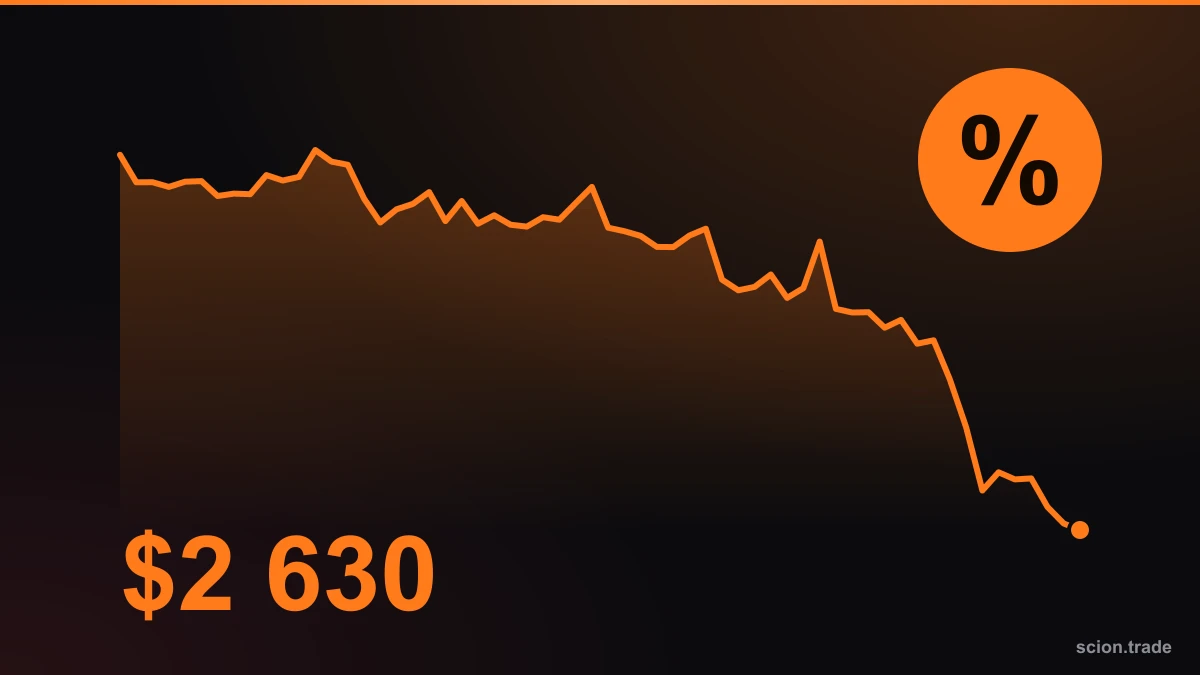
Dollar-cost averaging versus a lump-sum buy: $5,200 invested, $74,374 average cost. With real data.
DCA (dollar-cost averaging) means buying a fixed amount at regular intervals regardless of price. The goal is not to catch the perfect moment but to spread out timing risk.
A test with real data
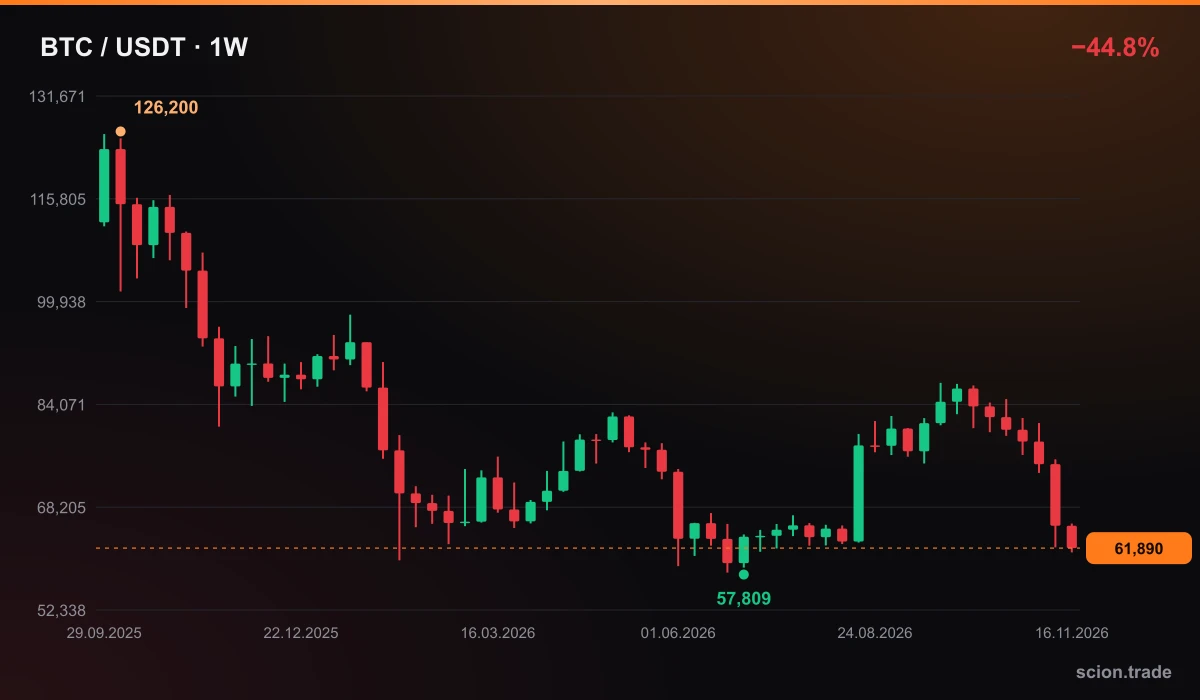
Using OKX weekly BTC-USDT data we ran this scenario: starting November 24, 2025, $100 of BTC was bought at every Monday open for 52 weeks.
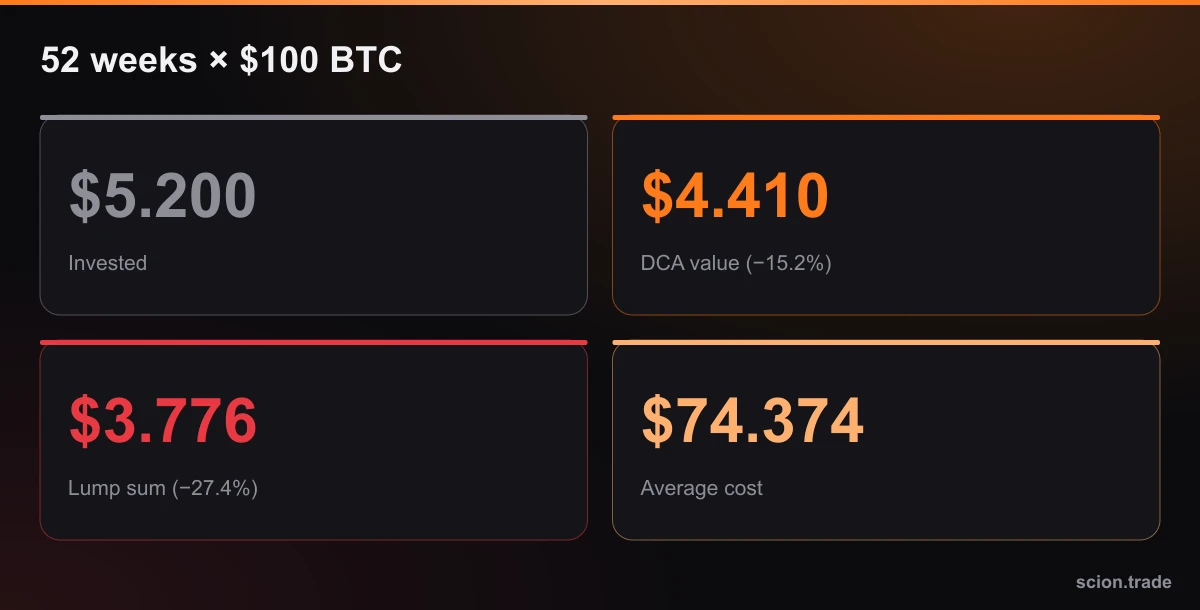
- Total invested: $5,200
- BTC accumulated: 0.06992
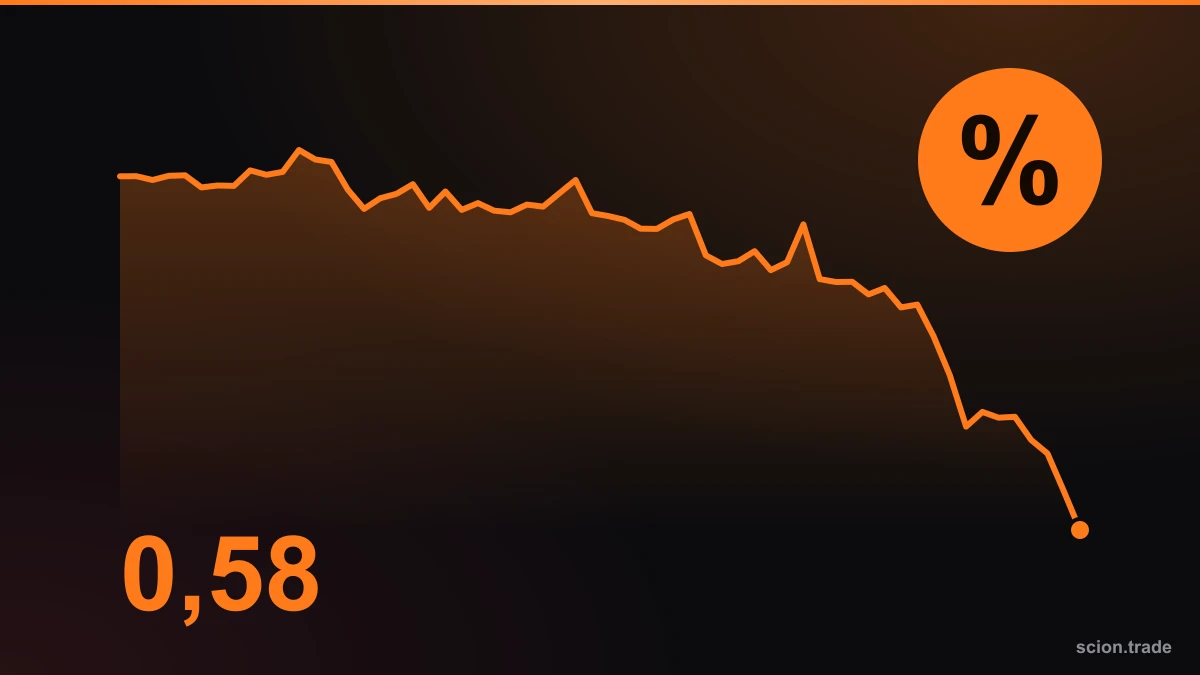
- Average cost: $74,374
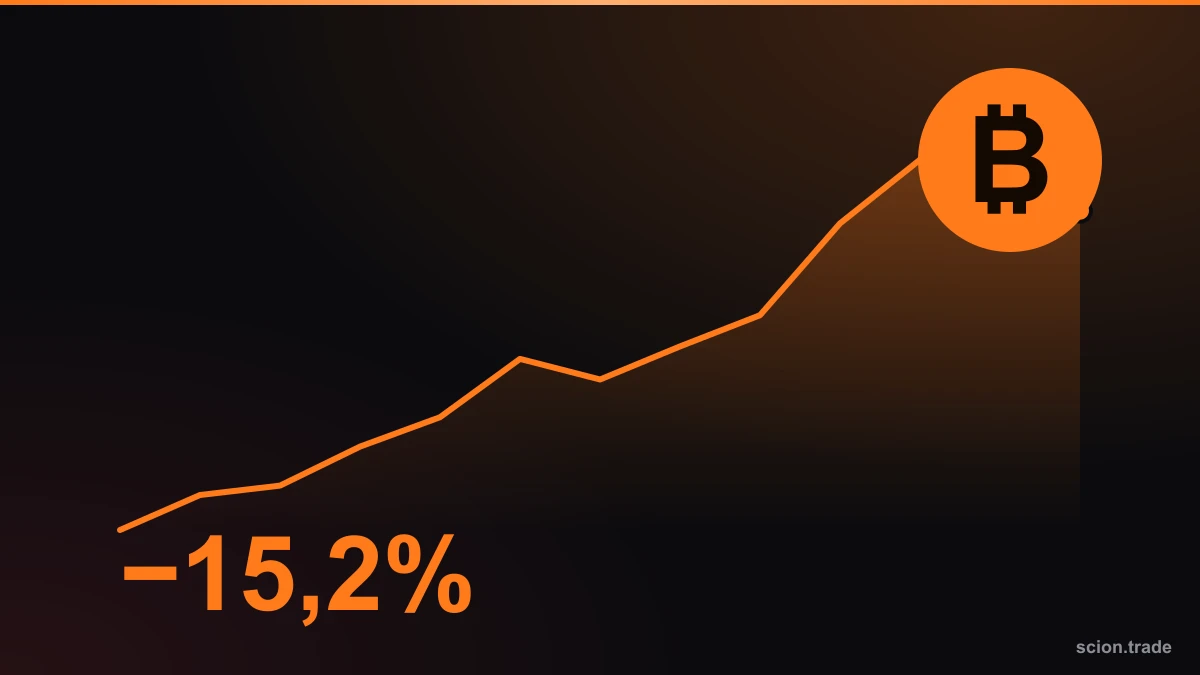
- Value at the November 18, 2026 close ($63,071): $4,410, i.e. −15.2%
For comparison: buying the same $5,200 at once in the first week (at $86,847) would be worth $3,776 today: −27.4%.
What it teaches
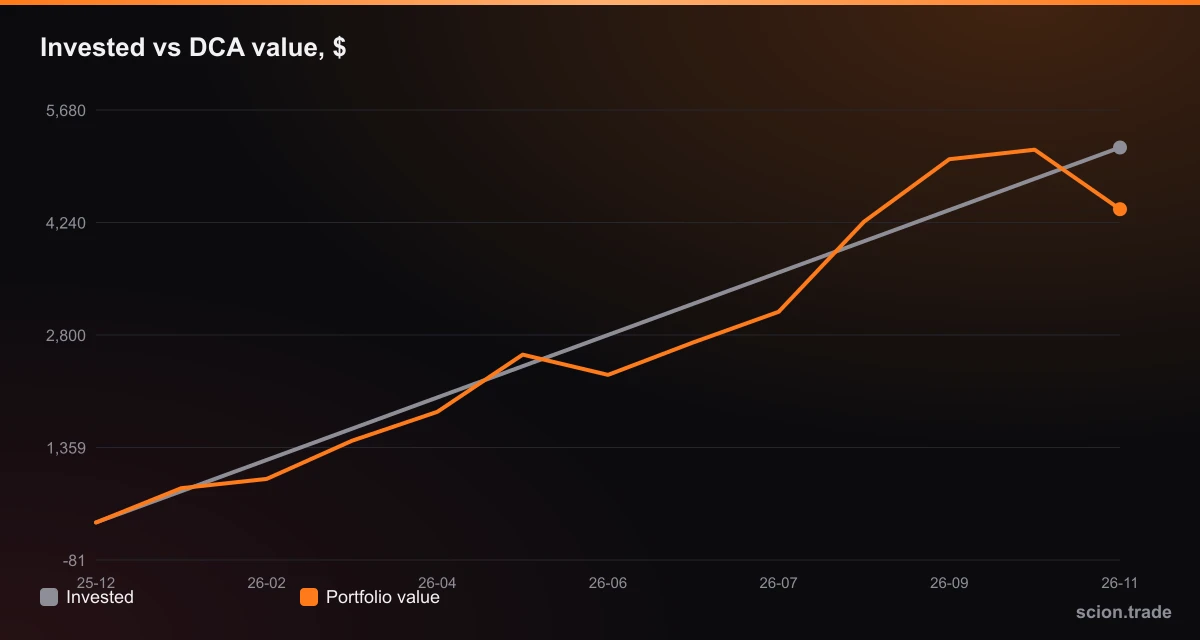
- In a falling market DCA lost less than the lump sum, because part of the buying happened at lower prices along the way.
- In a rising market it is the opposite: buying everything at the start usually wins. On the chart, value rose above the amount invested in September–October, then fell back below it in the November drop.
- DCA does not guarantee profit: after 52 weeks we are still down. What it provides is discipline and a smoother average cost.
Things to watch
- Fees: with small, frequent buys the fee share matters; use spot and a low-fee exchange. DCA is never done with leverage.
- Time horizon: DCA makes sense over months and years, not one month.
- Budget: only use money from regular income that you can afford to lose.
- Plan: write down the day, the amount and when you would stop (trading plan).
Source: OKX BTC-USDT weekly candles (weeks of November 24, 2025 – November 16, 2026) and the November 18, 2026 daily close. Fees not included.
Advertisement
This material is for educational purposes only and is not investment advice.