Stablecoin supply is shrinking: why crypto's "dry powder" matters
Glassnode: stablecoin supply fell $14.2 billion in 30 days. How to read stablecoin flows and relate them to price.
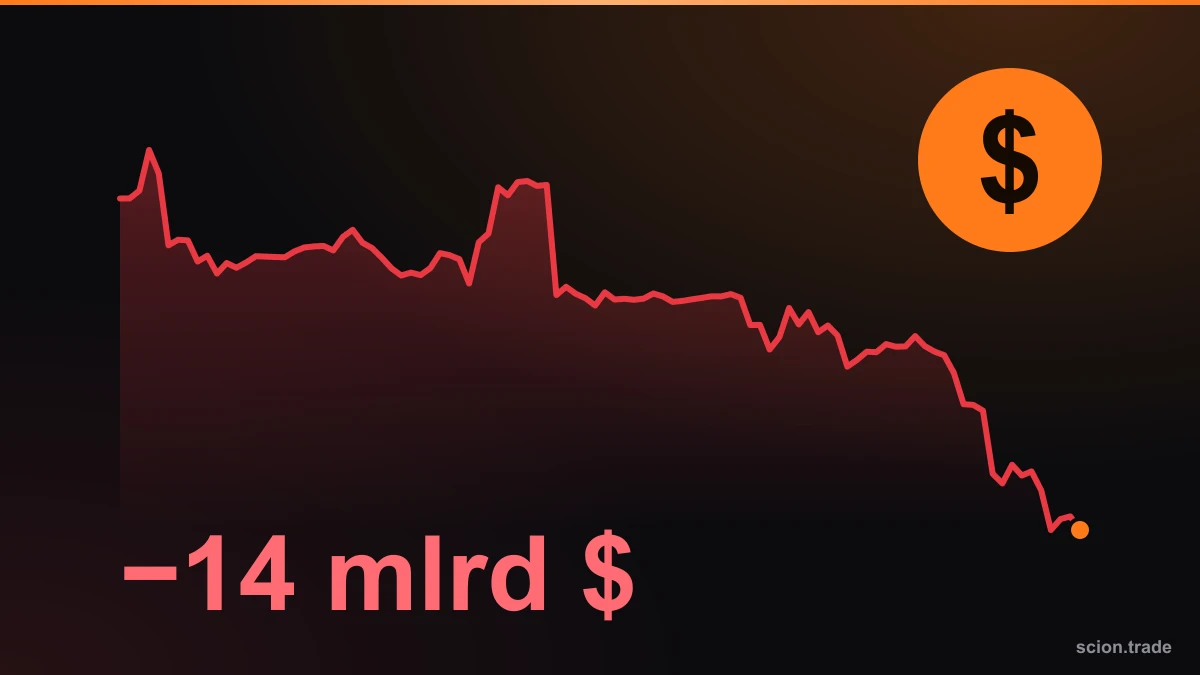
Stablecoins (USDT, USDC and others) are the most-used "cash" for trading in crypto. Buying power in the market is often judged by stablecoin supply: if it grows there is more money ready to buy, if it shrinks money is leaving the market.
Why it matters
Price can only rise durably if there is buyer money. When stablecoin supply shrinks:
- the "reserve" money available for new buyers shrinks;
- order books thin out and each sale moves price more;
- leverage and liquidations have a bigger impact.
The numbers
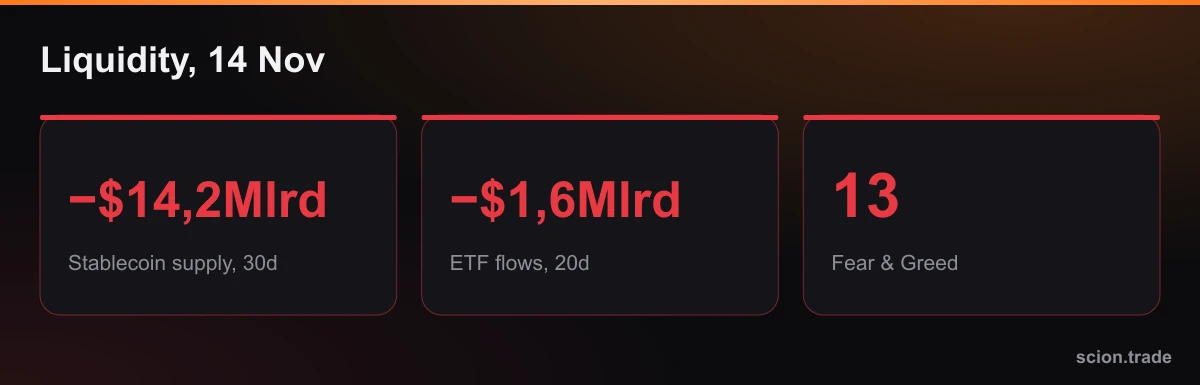
- Stablecoin supply: −$14.2 billion (30 days to 9 November).
- ETF flows: −$1.6 billion (20 trading days).
- Fear & Greed: 13 (20 on Friday, 29 on Wednesday).
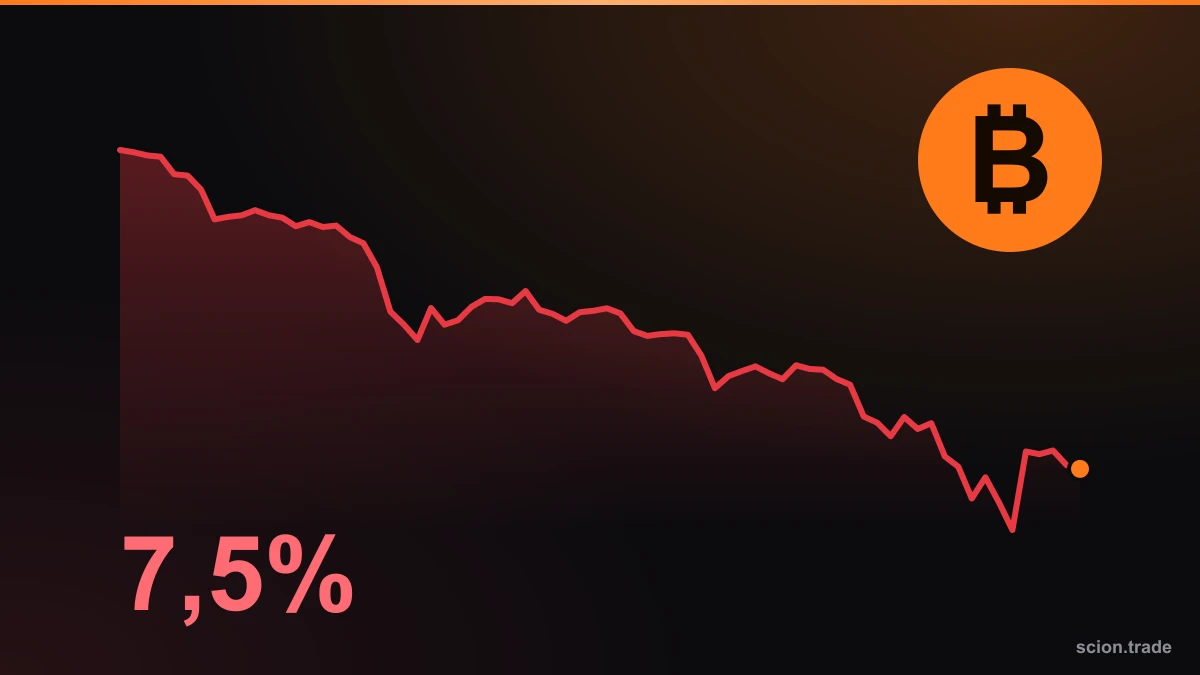
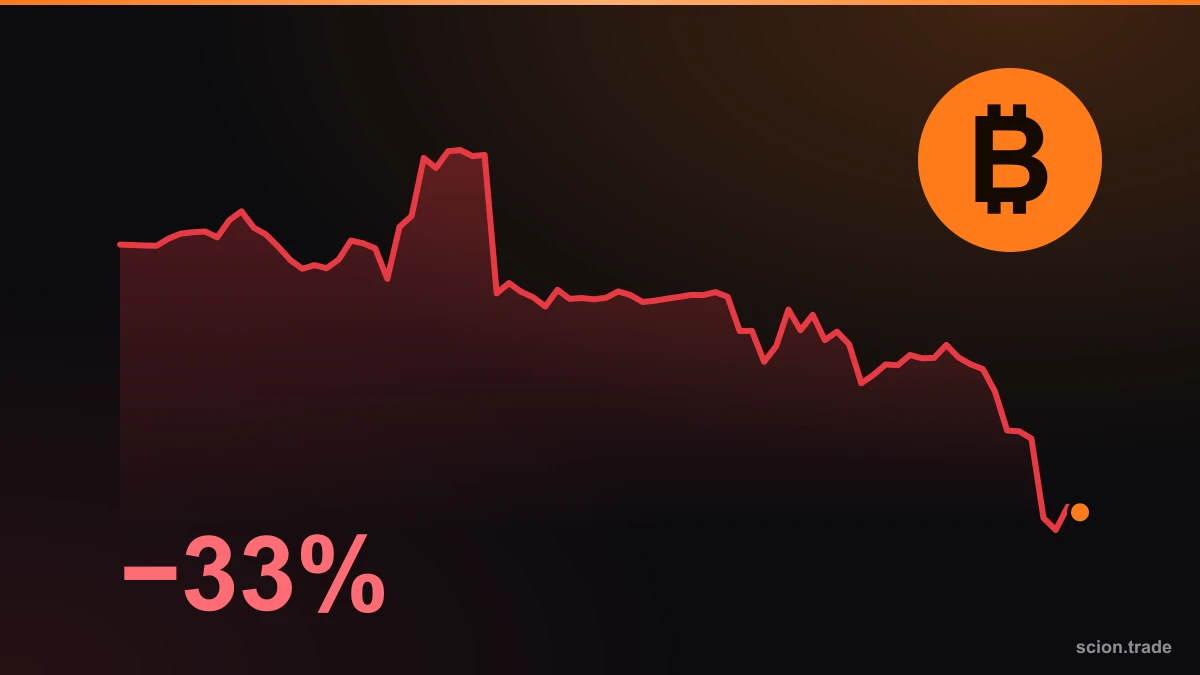
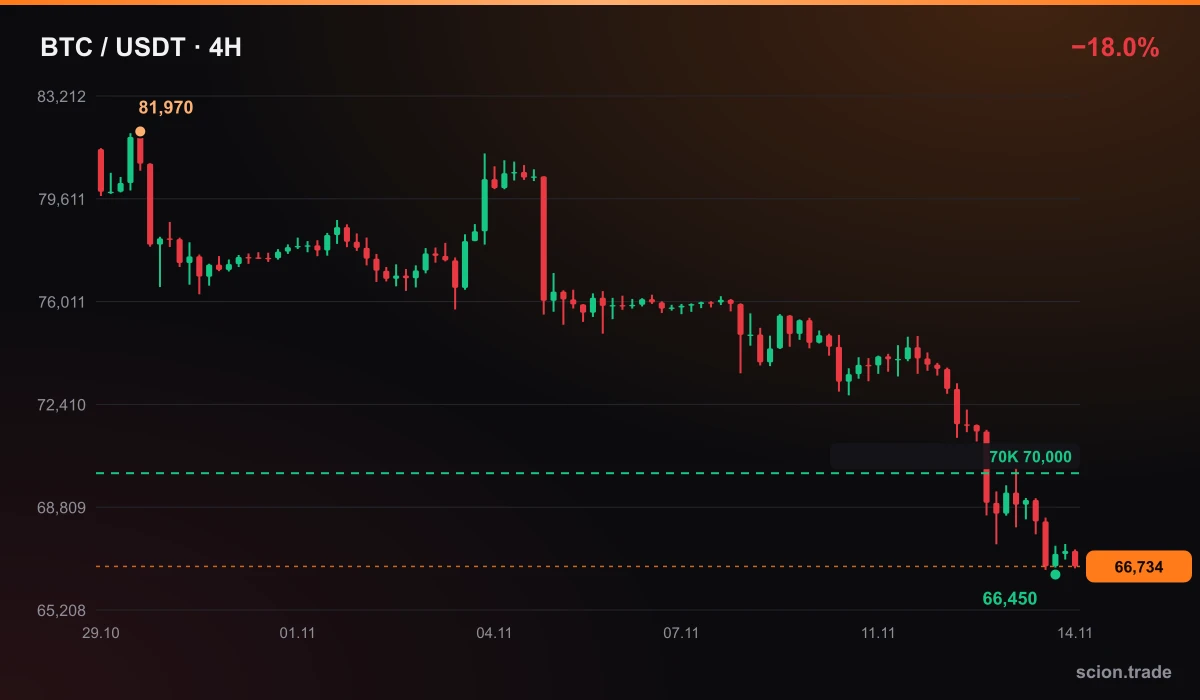
- BTC: ~$66,900, about −12% on the week.
A counter-signal
The same Glassnode report notes that wallets holding 100–10,000 BTC were buying while other groups reduced holdings. Large players may accumulate in fear, but that is not a bottom indicator.
How to use it
- Watch the direction of supply, the 30-day trend rather than a one-day change.
- Compare with price: if price and supply fall together, selling pressure may persist.
- Do not rely on one metric: read it with ETF flows, funding and open interest. Futures panel.
- Weekend risk: order books are thinner; reduce position size. Position calculator.
Sources: CryptoTicker (Glassnode), Alternative.me, OKX API.
This material is for educational purposes only and is not investment advice.