What are a rush to cash and a margin call? Why gold can fall together with stocks
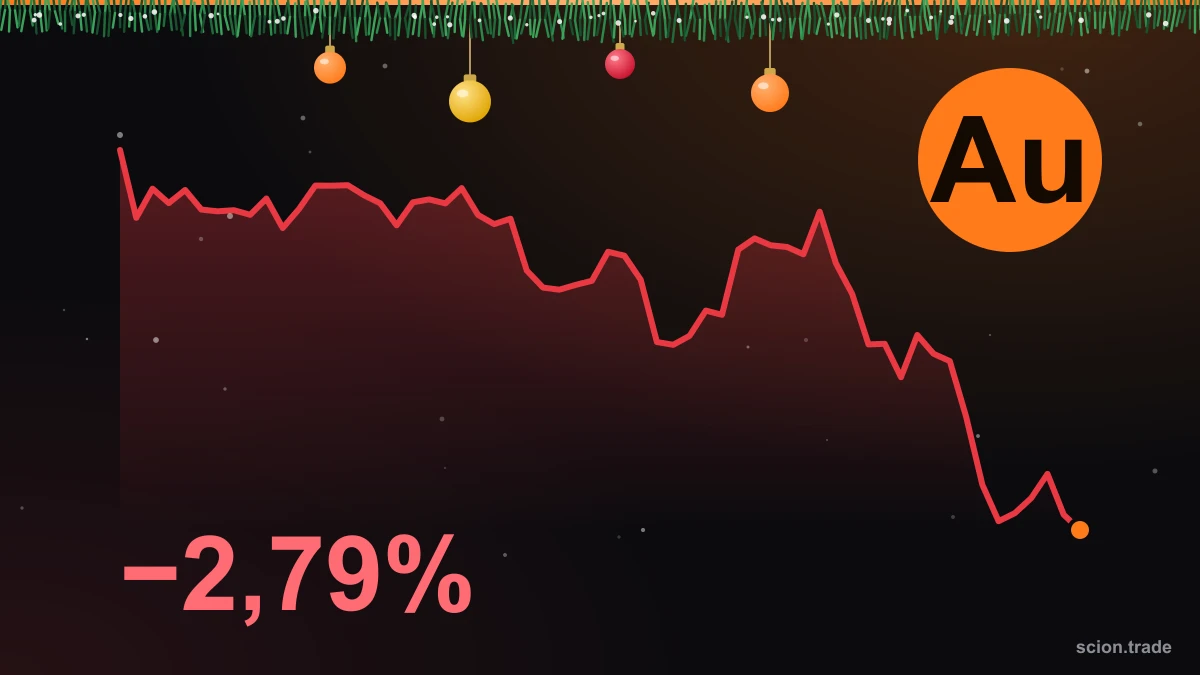
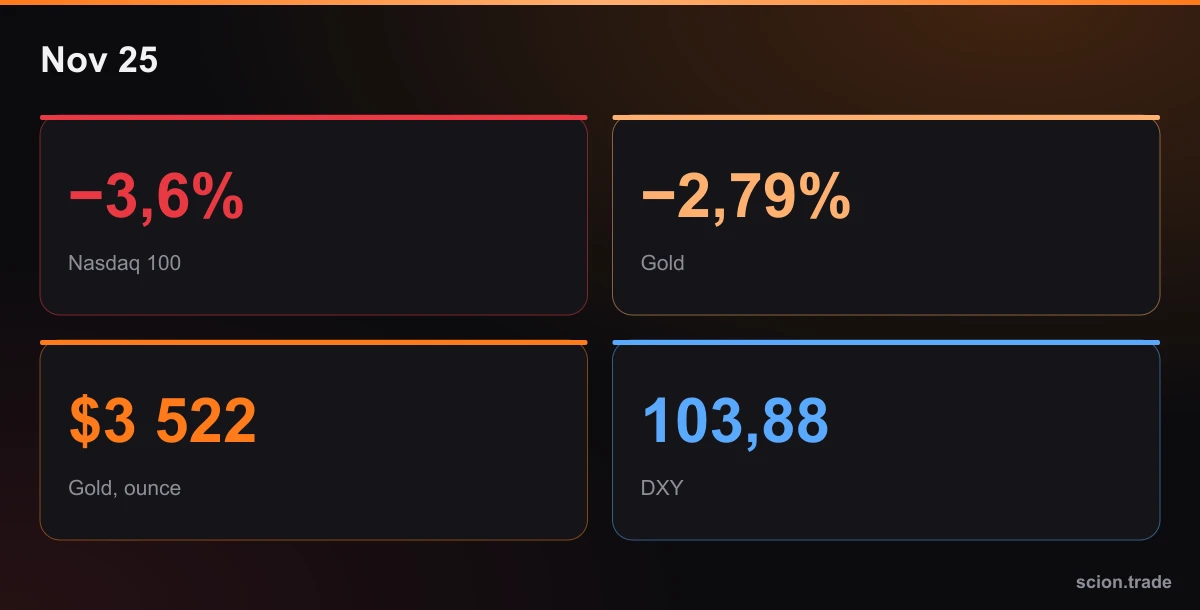
Gold fell 2.79% today. Why does it not always rise when risk falls? Margin calls and liquidity in 4 steps.
A "rush to cash" is when investors sell every asset and move into cash (mostly dollars). A margin call is a broker's or exchange's demand for extra collateral when a leveraged position's collateral shrinks; if it is not provided, the position is closed by force. These two ideas help explain why gold is falling together with stocks today.
Step 1: collateral melts on a losing position
If an investor uses leverage in stocks (for example Nasdaq) and the price falls, the collateral value drops. Nasdaq 100 is down 3.6% today (Scion market data).
Step 2: cash is needed, so the profitable asset gets sold
Meeting a margin call takes cash. Investors often sell not the losing position but the liquid asset that is still in profit. Gold rallied for a long time and is very liquid, so it can land in the selling queue.

Step 3: selling begets selling
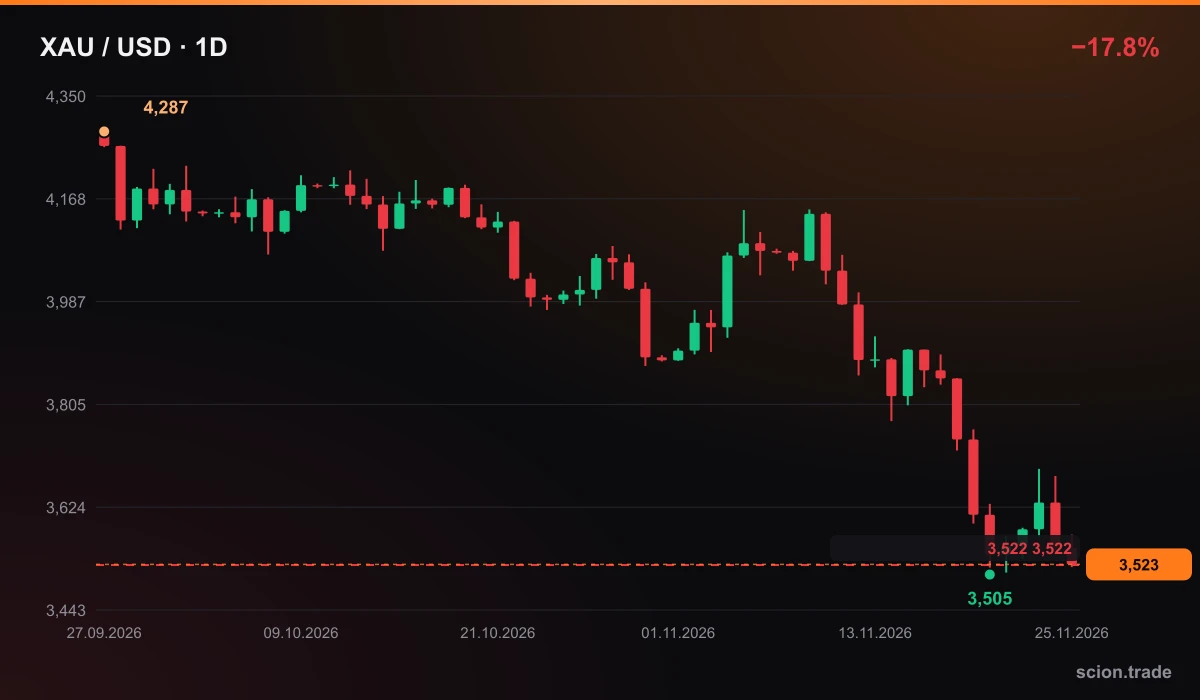
Forced selling pushes prices down, which erodes the collateral of other positions. CoinDesk, citing analysts, explains the current slide precisely through a liquidity squeeze and a rush to cash. Gold is $3,522 today; reportedly the lowest since September 2025 (KuCoin News).
Step 4: gold does not stop being a "safe haven"
In the short run gold can be sold too, because it is one of the most liquid assets. Its long-term role depends on other factors such as rates, the dollar and inflation expectations. The difference: short term it is liquidity, long term it is fundamentals.
Practical takeaways
- Correlation is not constant: under stress different assets can fall together, so "diversification" works only partly.
- Leverage size: the thinner the collateral, the closer the forced-close price. Check it with the liquidation calculator.
- Cash reserve: holding some cash can protect against forced selling.
Sources: Scion markets, CoinDesk, KuCoin News, Orderly XAU/USD data.
This material is for educational purposes only and is not investment advice.