A giant IPO and a stock selloff on the same day: how liquidity shapes markets
Anthropic priced its IPO at $83 while the Nasdaq fell. A liquidity framework and lessons for crypto.
On November 19 the market had two faces: a huge IPO began trading on the Nasdaq, while stock indexes fell sharply the same day. This is not a forecast; it is a framework for how big IPOs can affect liquidity.
The event
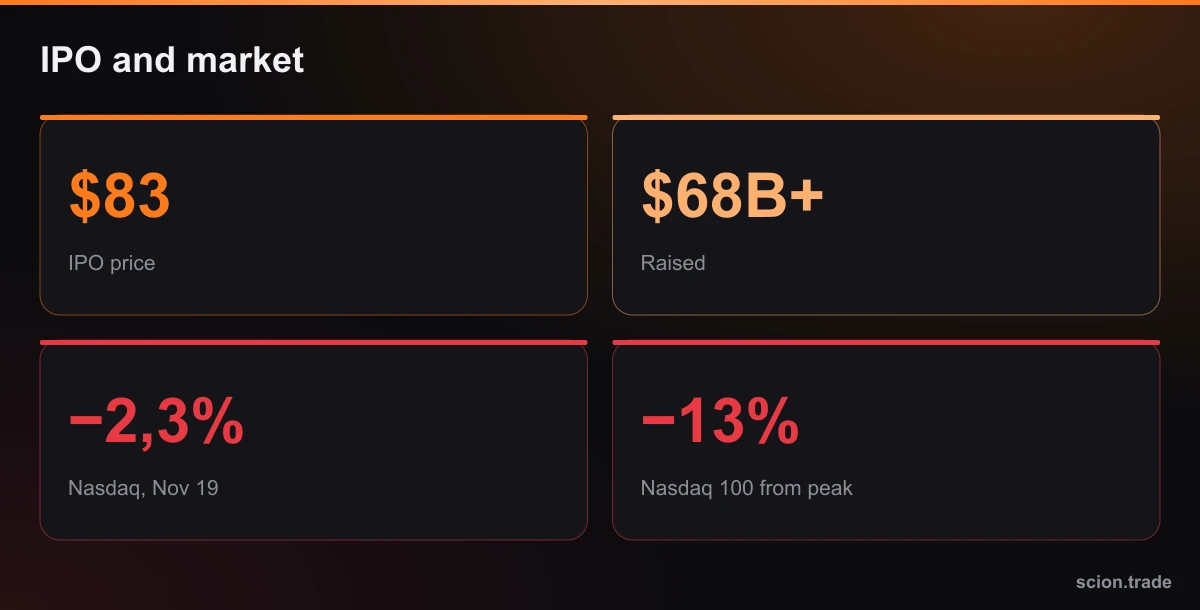
- AI company Anthropic priced its IPO at $83 a share, above its stated $70–78 range (Fortune, AI Weekly).
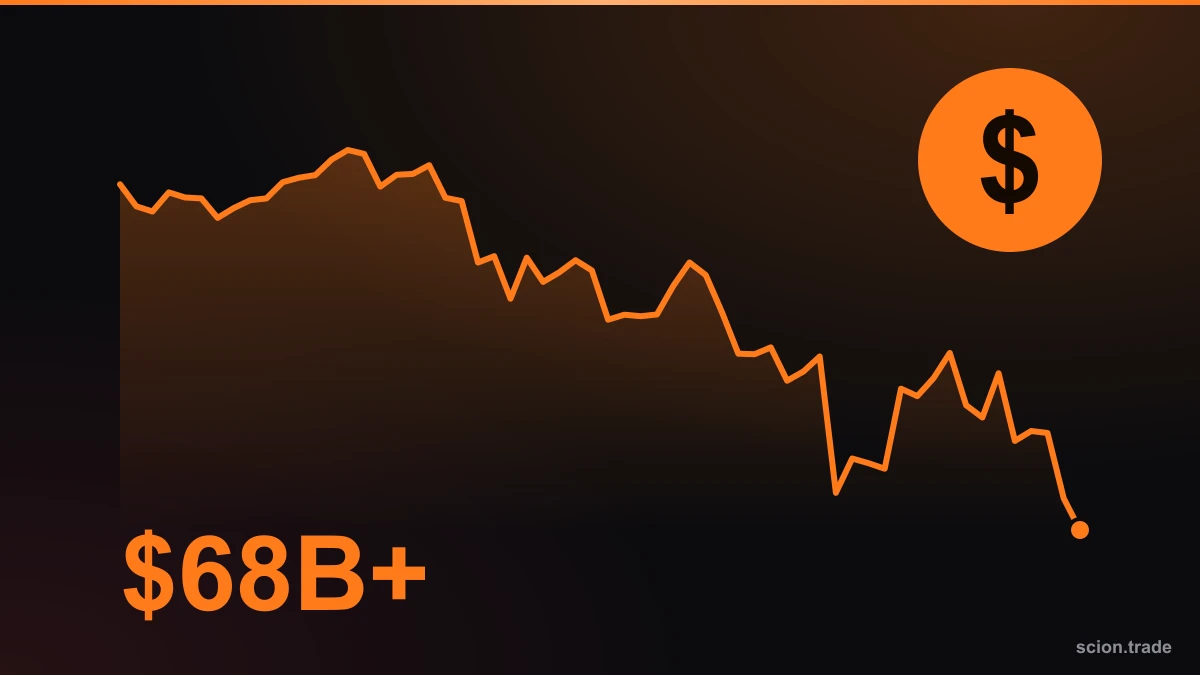
- Reports cite a valuation near $1.5 trillion and at least $68 billion raised (The Next Web). Shares began trading on the Nasdaq on November 19 under the ticker ANT.
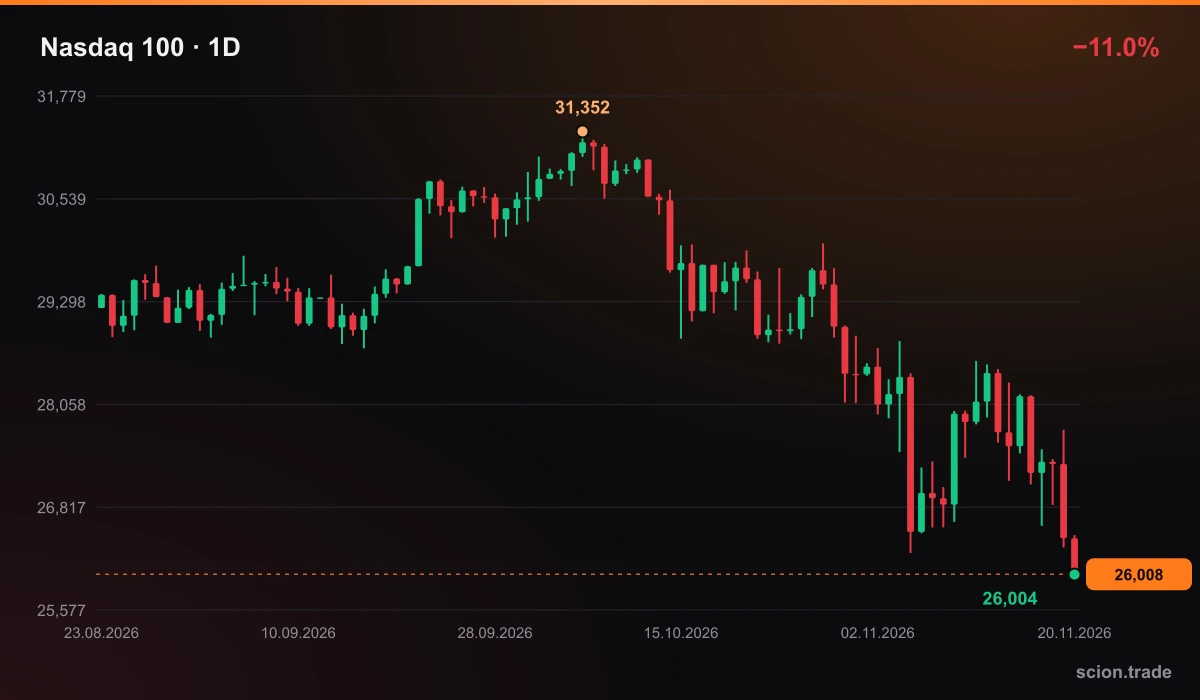
- That day the S&P 500 fell 2% and the Nasdaq Composite 2.3%, with AI stocks leading the selloff (The Washington Post). Per the Financial Times, the Nasdaq 100 is about 13% below its early-October peak (investingLive).
Why liquidity matters
A market cannot absorb unlimited money. A new share supply can require investors to raise cash from other assets. If an IPO raises $68 billion, part of that may have come from stocks, bonds or even crypto. Do not read it as a definite cause: the same day the Fed minutes pointed to a rate hike, yields are high and the dollar is strong. Several forces are working at once.
IPOs and the market cycle
Historically, very large IPOs cluster when market optimism is high. Some analysts read an "IPO wave" as a sign of a top; others see strong demand (here reportedly about six times oversubscribed) as a healthy signal. Neither is enough on its own.
Takeaways for crypto
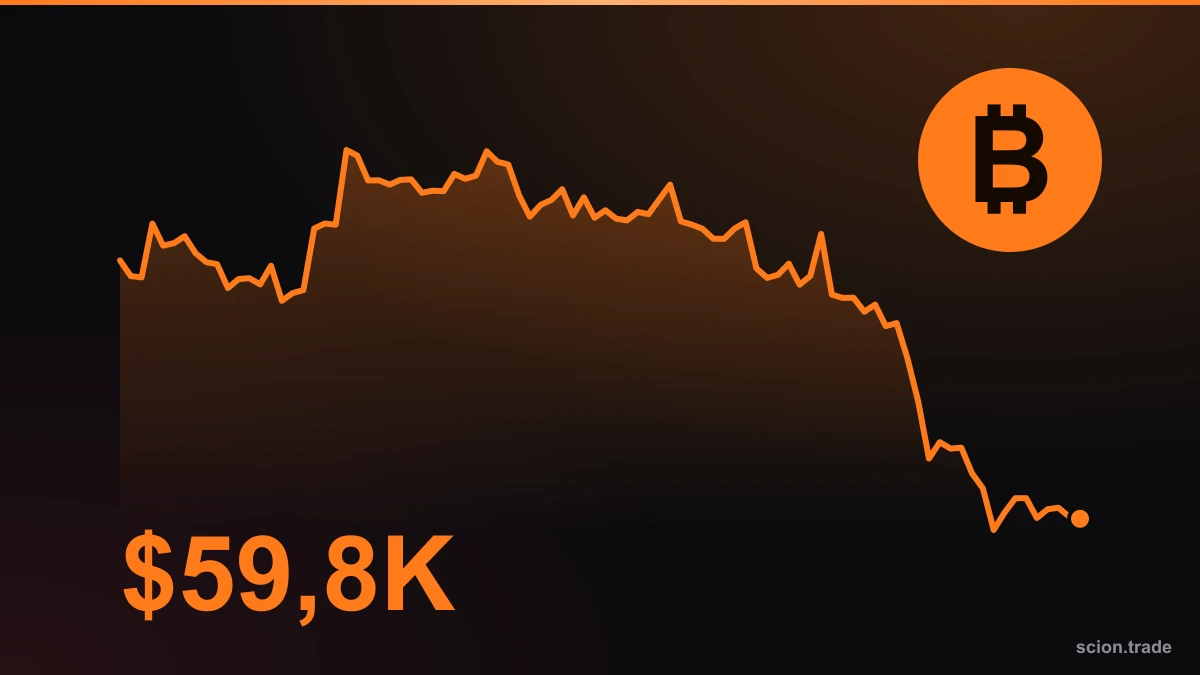
- Bitcoin can move with equity risk appetite; weakness in stocks can spill into crypto.
- In extreme fear (index 12) news is read one-sidedly; context matters.
- For decisions, watch the calendar, rate expectations and price levels together.
Practical rules
- On "news + sharp drop" days, do not rush: first separate the causes: rates, liquidity or sentiment?
- Keep position size small.
- Do not marry one story; keep several scenarios.
Sources: Fortune, The Next Web, AI Weekly, investingLive, The Washington Post.
This material is for educational purposes only and is not investment advice.