MARA sold 13,597 bitcoin: how miner selling affects the price
MARA, one of the largest bitcoin miners, sold about 40% of its BTC reserve after the quarter ended. The numbers, the reasons, the impact alongside ETF outflows, and what to watch.
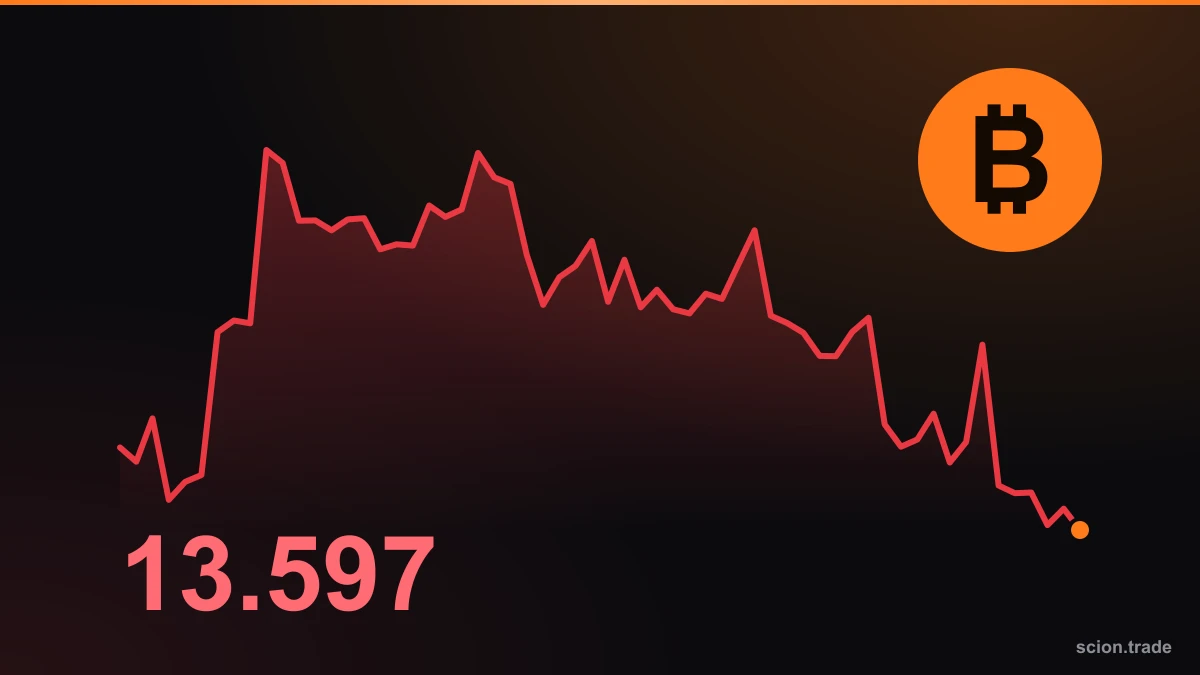
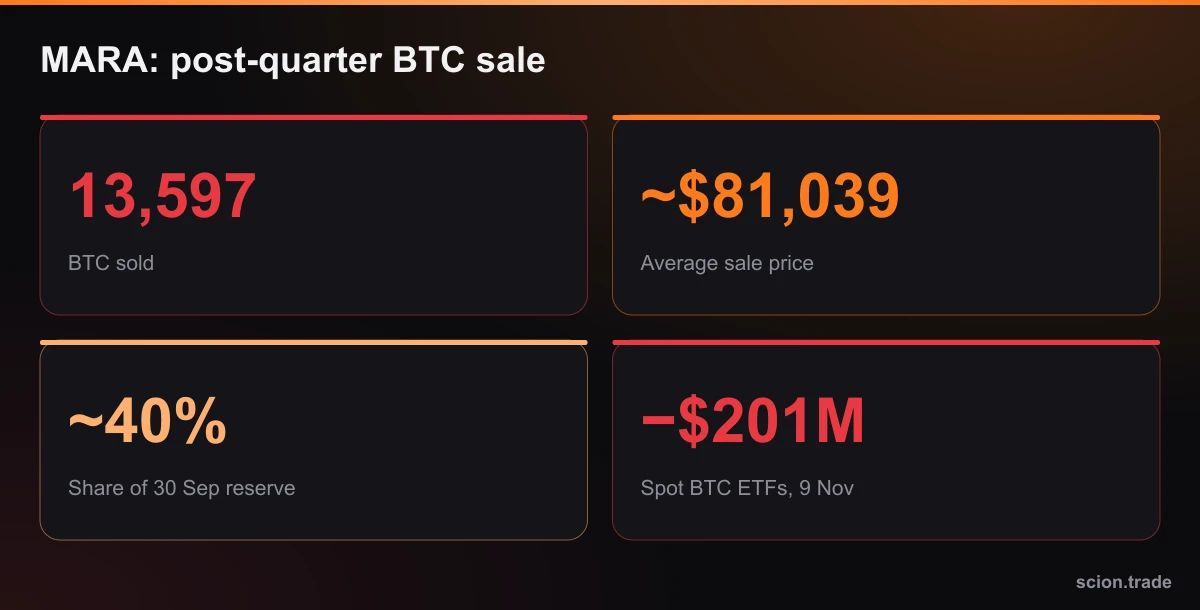
MARA, one of the largest bitcoin mining companies, published its Q3 report on 9 November 2026. According to the report, the company sold 13,597 BTC after the quarter ended, at an average price of about $81,039, for roughly $1.1 billion. MARA held 34,012 BTC on 30 September, so the sale equals about 40% of its reserve.
At the time of writing BTC trades around $74,800 (OKX).
MARA in numbers
Key figures from the shareholder letter:
- BTC produced in Q3: 2,247 BTC (average price $71,688).
- BTC sold in Q3: 3,891 BTC (average price $75,300).
- BTC sold after the quarter: 13,597 BTC (average price ~$81,039).
- Loan repaid: a $750 million bitcoin-backed loan was fully repaid, releasing 17,477 BTC from collateral.
- Hashrate: 71.2 EH/s.
- Financials: net income of $634.4 million (mostly from BTC fair-value gains), while revenue was $164.2 million — down 35% year over year.
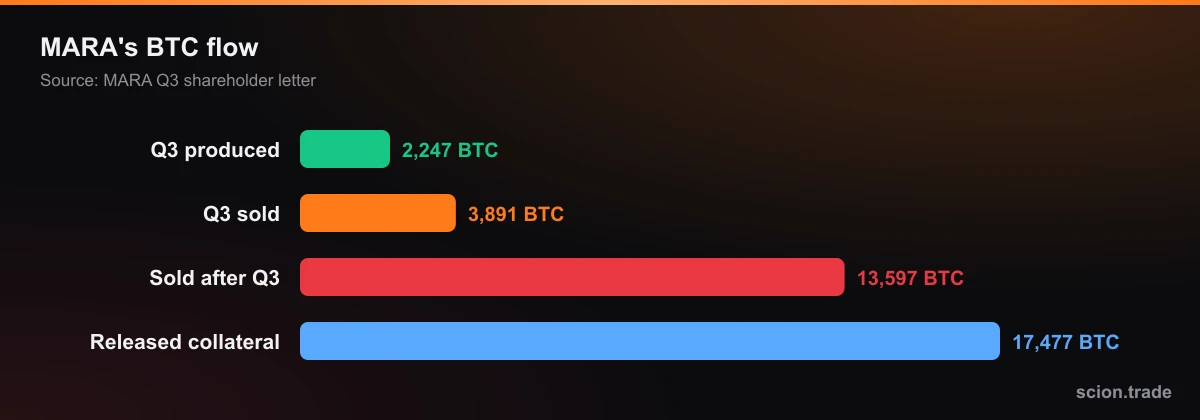
Producing 2,247 BTC in a quarter and then selling 13,597 BTC means the company is selling not only new output but also the reserve it built up over the years.
Why sell?
The company says it plainly: it will keep using bitcoin to raise cash. The goals:
- Cut debt. Total debt is down 37% since the start of the year, to $1.4 billion.
- AI infrastructure. MARA is positioning itself not only as a miner but as a provider of power and compute.
- Convertible notes due next year and possible share buybacks.
Income from block rewards also fell 37%. Mining is less profitable than before, and companies are looking for other revenue.
Why miner selling affects the price
Miners are the bitcoin market's natural sellers: to pay for electricity, equipment and debt, they have to sell part of the BTC they mine. That is normal daily supply. The problem starts when a miner sells both new output and its old reserve at the same time: extra supply hits the market.
That supply is not huge on its own, but its effect grows when buyers are weak. That is the situation now:
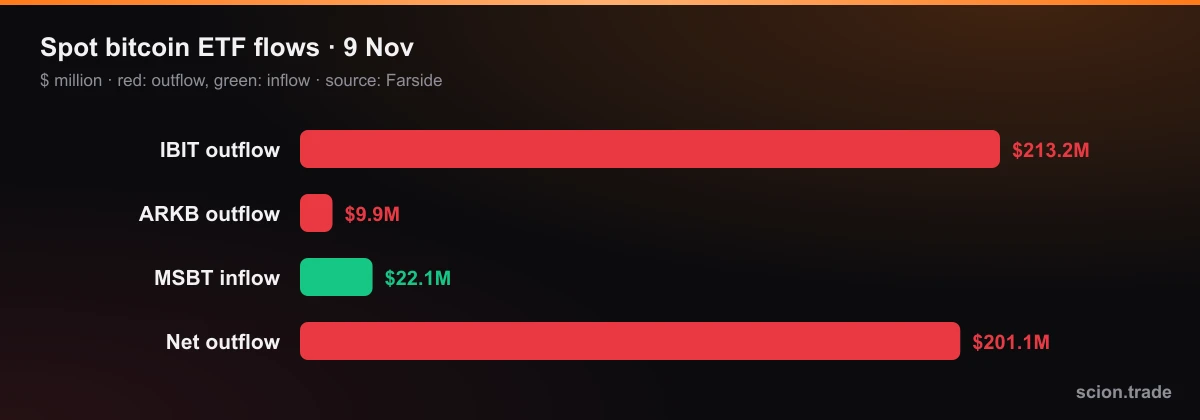
- US spot bitcoin ETFs saw $201 million of net outflows on 9 November, the third day in a row.
- The largest outflow was from BlackRock's IBIT: −$213.2 million.
- Last week $1.28 billion left the ETFs, the largest weekly outflow since June.
Don't overstate it
The 13,597 BTC are already sold, so that sale hit the price in October. What matters more is the company's "we will keep selling" message: if other miners do the same, supply pressure can continue.
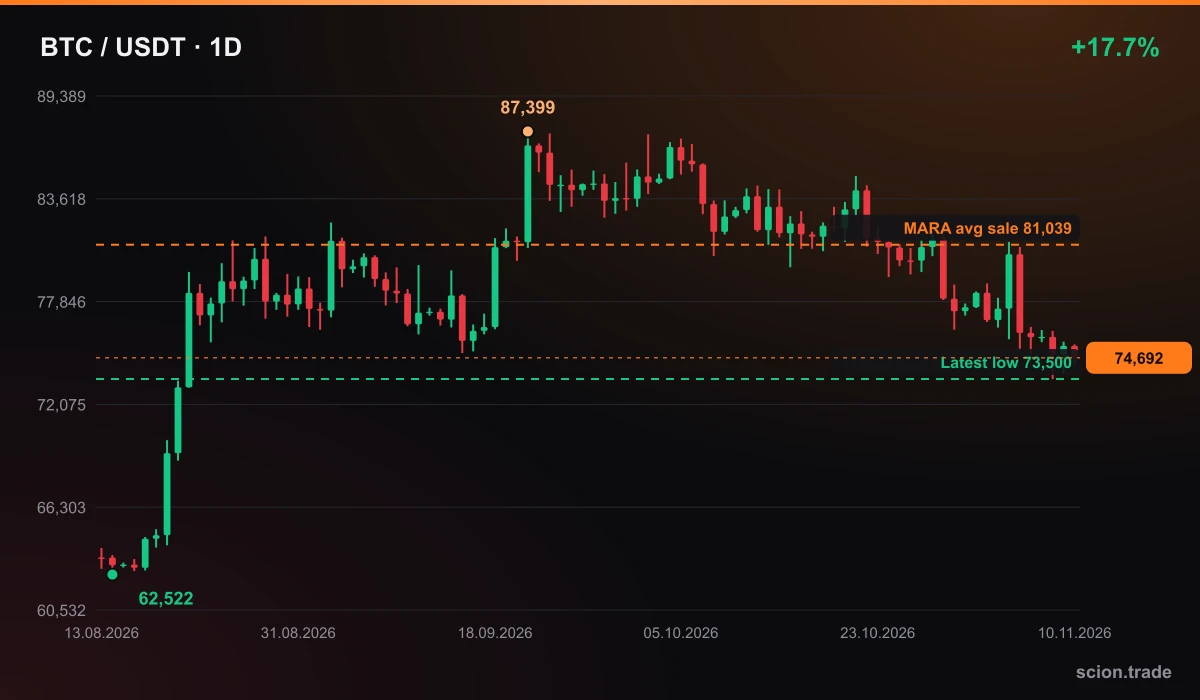
Chart: MARA's sale price vs today's price
MARA sold its BTC at about $81,039 on average; today the price is roughly 8% lower. The latest low was $73,500.
What to watch
- Flows from miner wallets to exchanges: a rise can signal selling pressure.
- ETF flows: if outflows stop, buyers are coming back.
- Today's US inflation (CPI) data: rate expectations drive risk assets. See the time in our economic calendar.
- Your own risk: in volatile periods cut leverage and position size; our risk calculator helps.
Sources: MARA Q3 shareholder letter (SEC), The Block, ETF flows Farside and Bitcoinist, price OKX (BTC-USDT).
This material is for educational purposes only and is not investment advice.