Ethereum below $1,600: funding is negative, what does it mean?
ETH dropped to ~$1,560, open interest −13% in 24 hours. Funding is negative across exchanges: short squeeze risk.
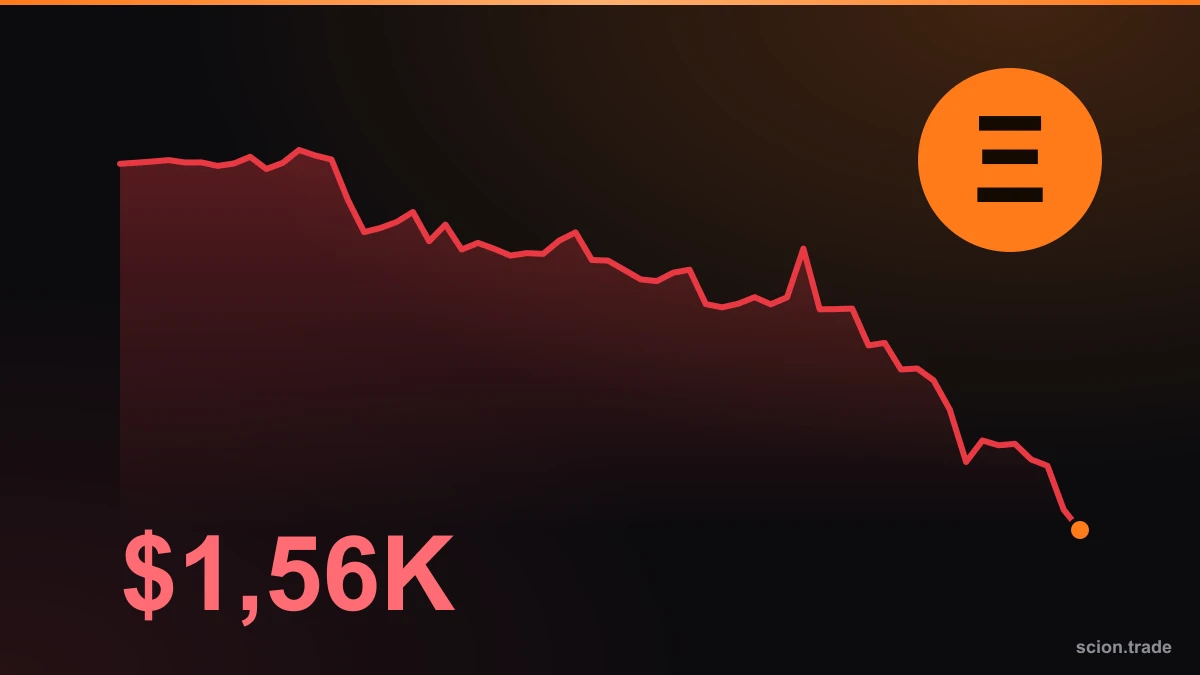
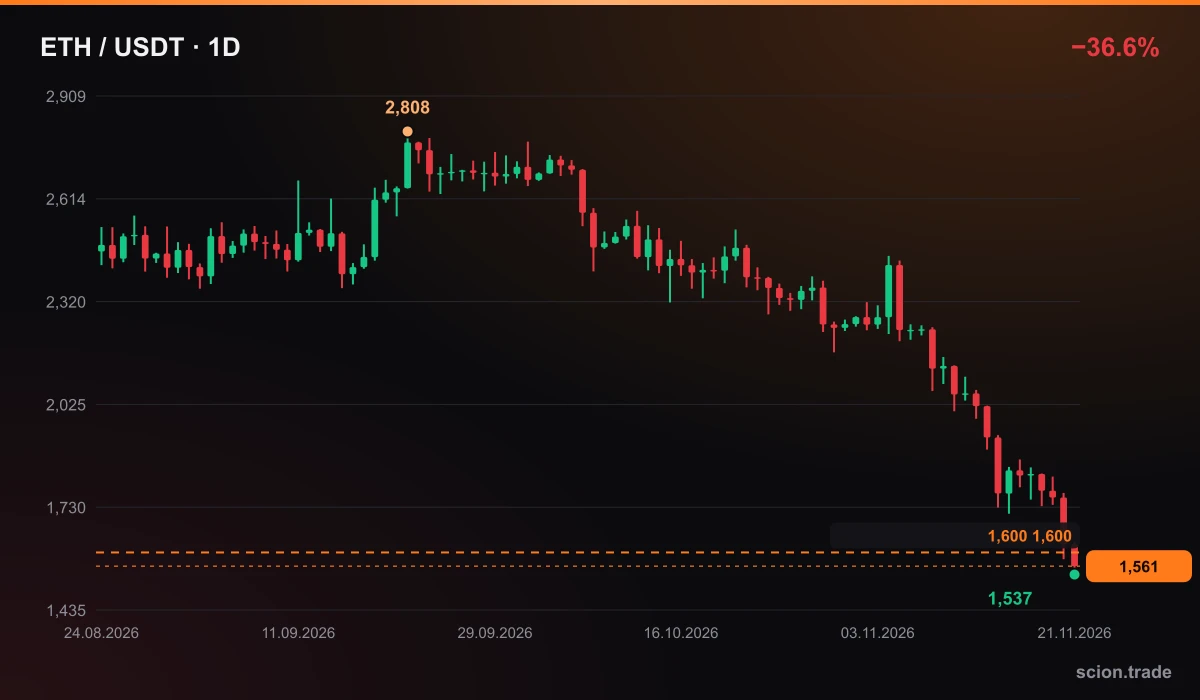
Ethereum fell below $1,600 on November 21, as several news sites reported (KuCoin News). Based on OKX daily data, ETH closed at $1,835 on November 19 and $1,769 on November 20; it is now around $1,560. The whole market weakened as Bitcoin slid to $55K (our Bitcoin article).
What the futures market says
According to scion.trade futures:
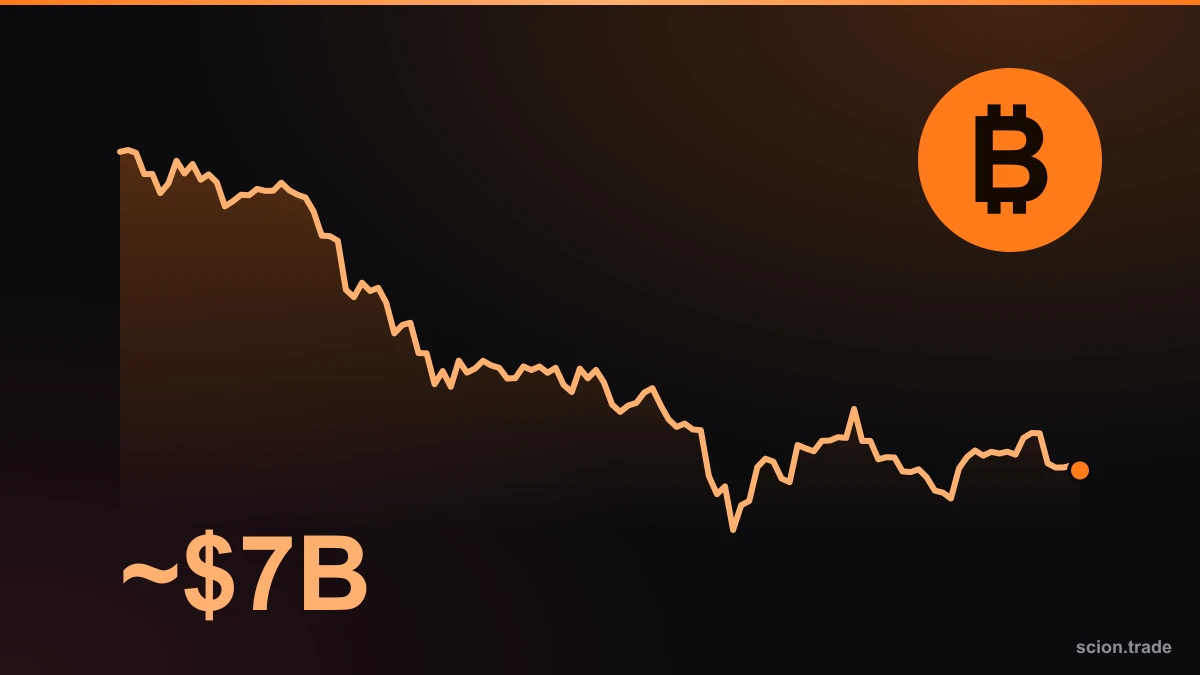
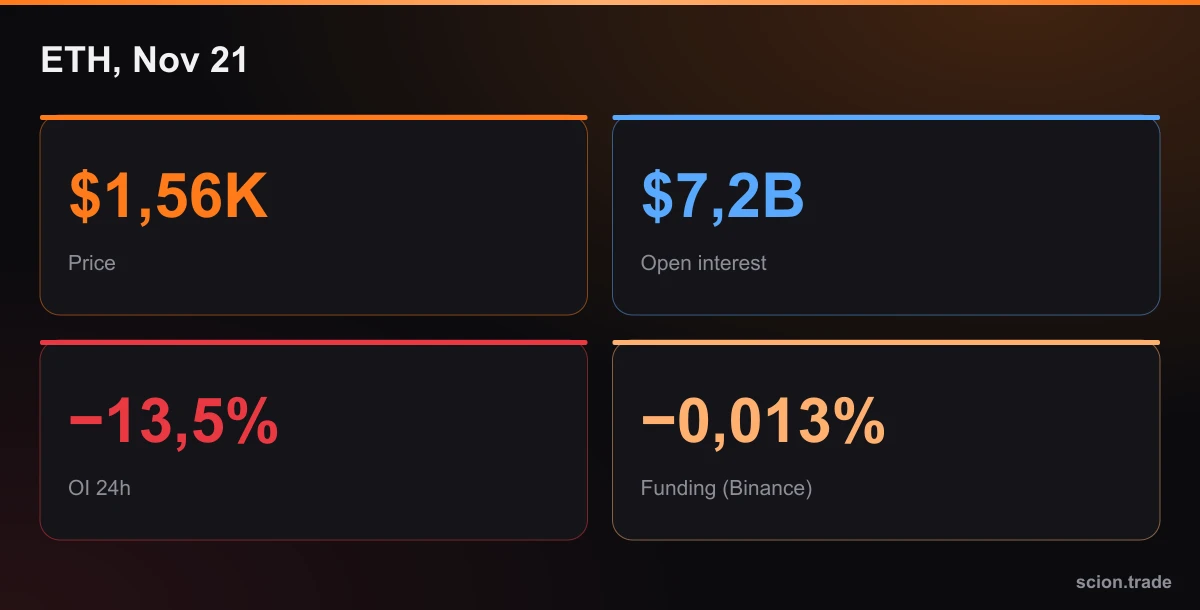
- Total ETH open interest is about $7.2 billion (−13.5% in 24 hours).
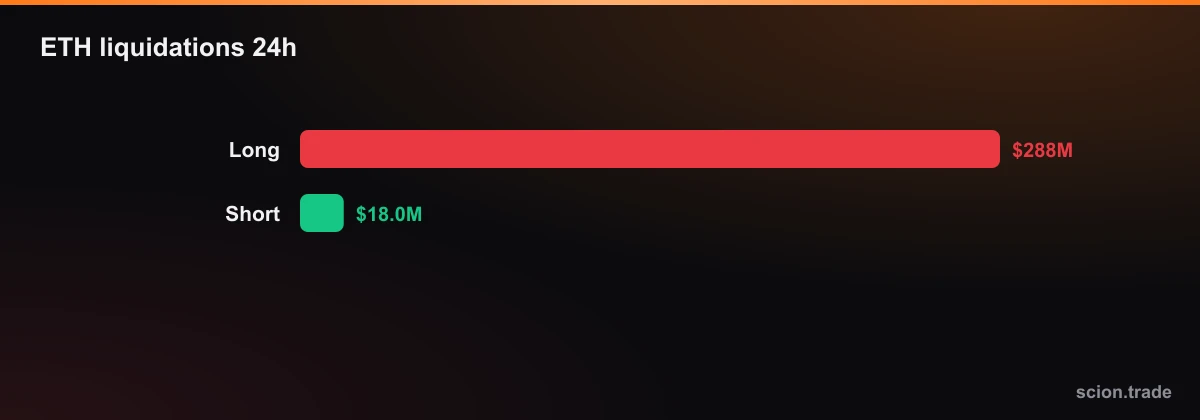
- About $306 million was liquidated in the last 24 hours: $288 million long and $18 million short.
- Funding on USDT contracts is negative on most exchanges; about −0.013% per 8 hours on Binance.
What negative funding means
To keep a perpetual contract's price close to spot, the two sides pay each other every 8 hours. When funding is negative, shorts pay longs. That shows short positions are crowded and the contract trades below spot.
Negative funding alone is not a bullish signal. But when shorts are crowded, the chance of a sudden sharp rebound (a short squeeze) rises: as price moves up, shorts buy to close, which pushes price higher still. If the decline continues, shorts keep earning funding.
Practical notes
- Read funding together with open interest and price: falling price + falling OI + negative funding shows positions closing.
- Weekend liquidity is weak; unusually fast moves can happen.
- Work out your liquidation price and position size in advance.
- Keep leverage low; sharp moves are possible in both directions.
Sources: KuCoin News, OKX, scion.trade/futures.
This material is for educational purposes only and is not investment advice.